
Arena
arena footing west
Custom Arenas, Built for Your Horses & Land
Every arena starts with the ground beneath it. Before we recommend a footing formula, our owner walks the property to evaluate soil, drainage, and terrain, then designs a base and surface built for the horses and disciplines that will use it. From new construction to full renovations, we bring 40 years of arena footing experience to every project.
Arena Construction Services
Six core services that cover every stage of building or upgrading your arena.
New Arena Construction
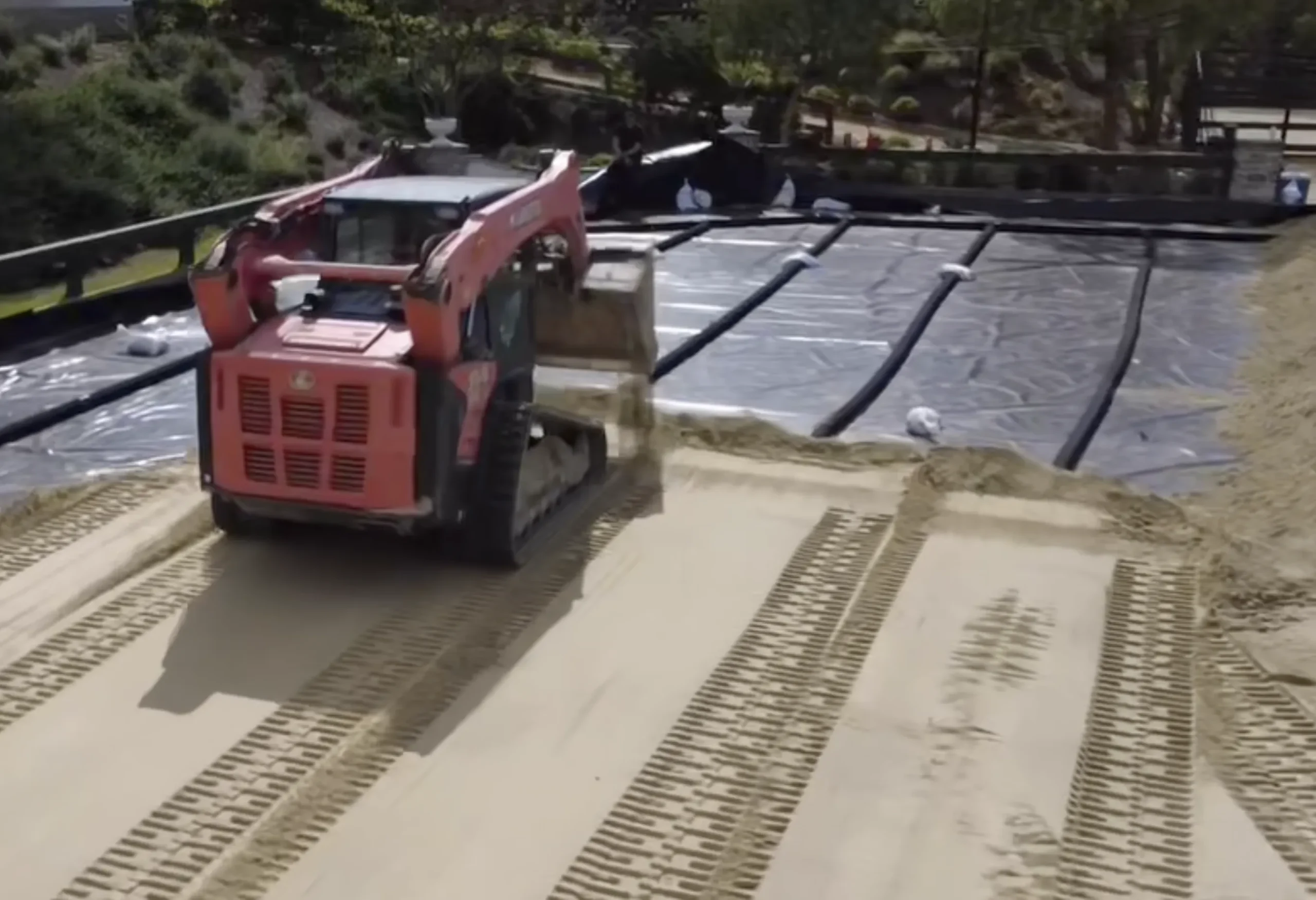
Full-scale arena builds from the ground up, including base, sub-base, and top footing layers.
Custom Footing Formulas
Sand, fiber, rubber, and blended formulas matched to your climate, terrain, and riding discipline.
Base & Sub-Base Preparation
Properly compacted aggregate bases that keep your footing stable and level for years.
Drainage System Installation
Grading, permeable materials, and drainage lines that move water away from the riding surface.
Arena Renovation & Resurfacing
Rebuilding worn or uneven arenas with fresh base work and updated footing materials.
Site Evaluation & Design
In-person site visits to assess terrain, layout, and footing needs before construction begins.
Our Arena Work
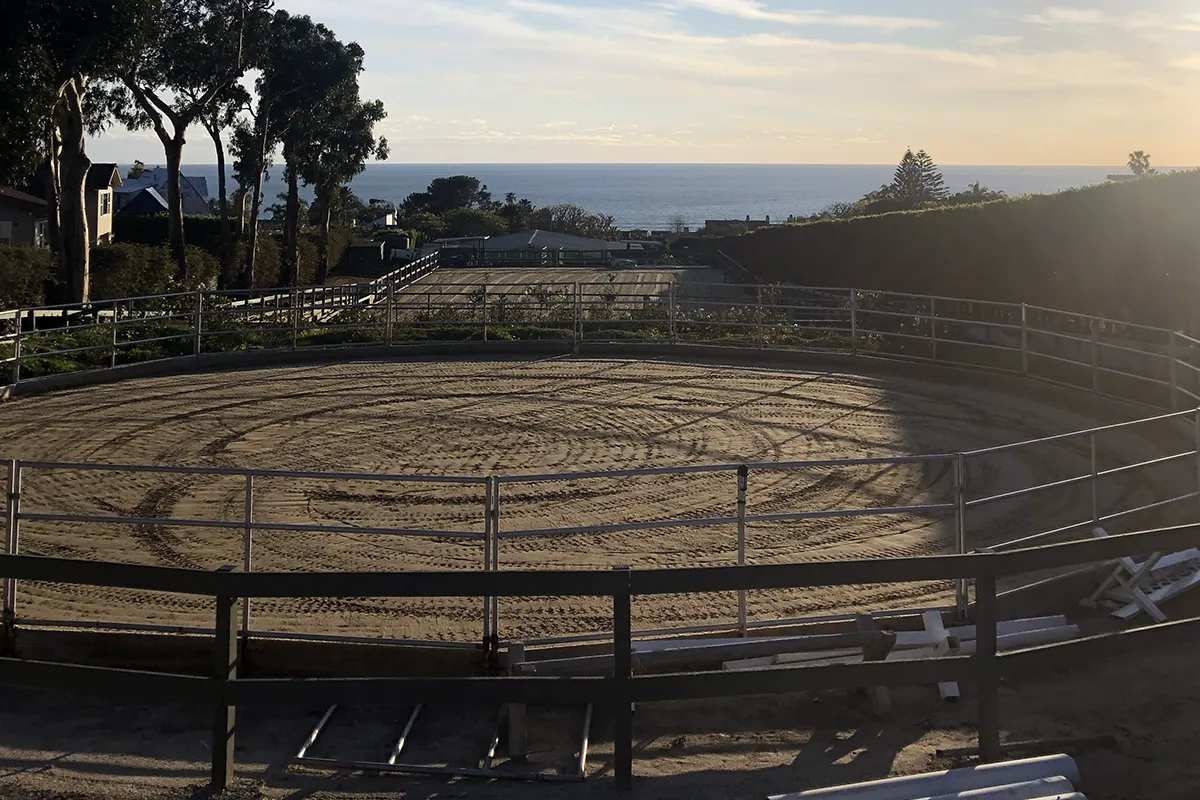
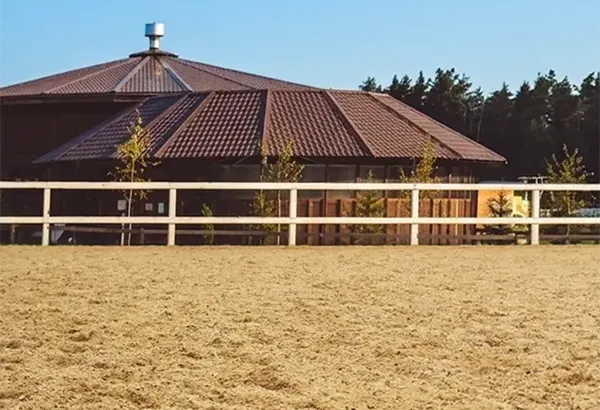
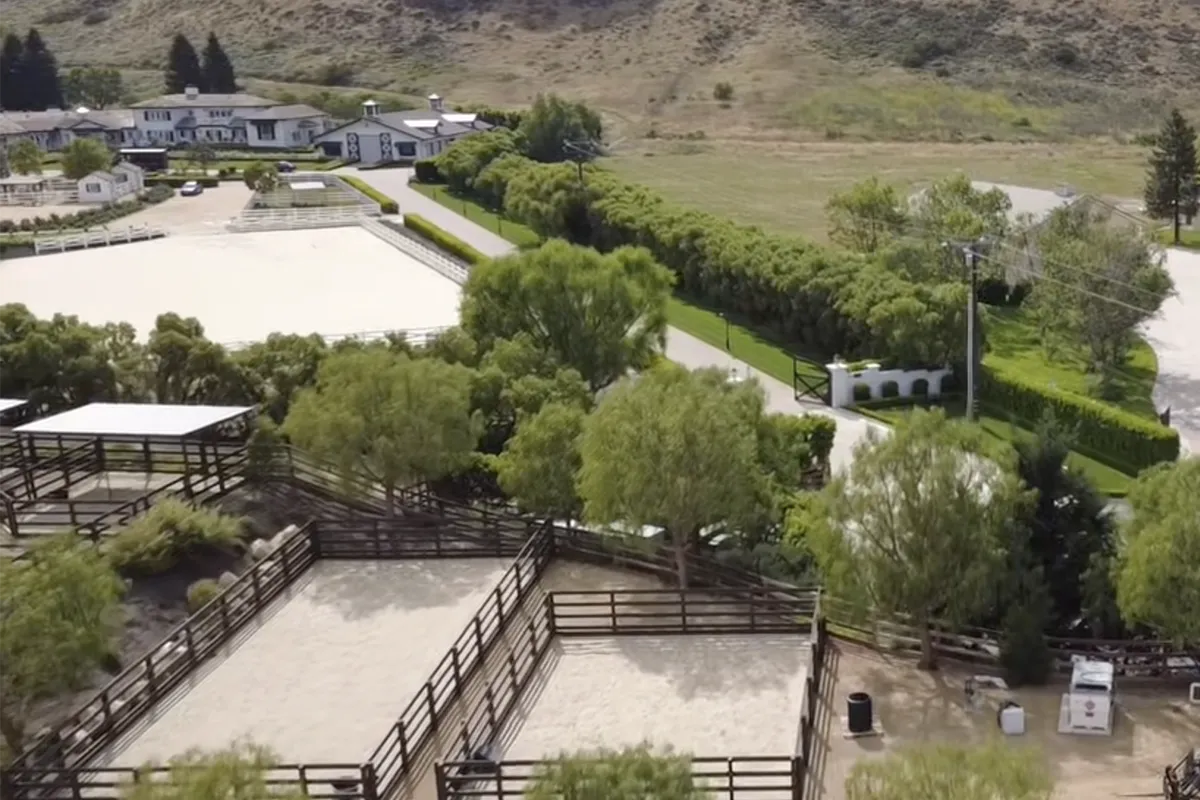
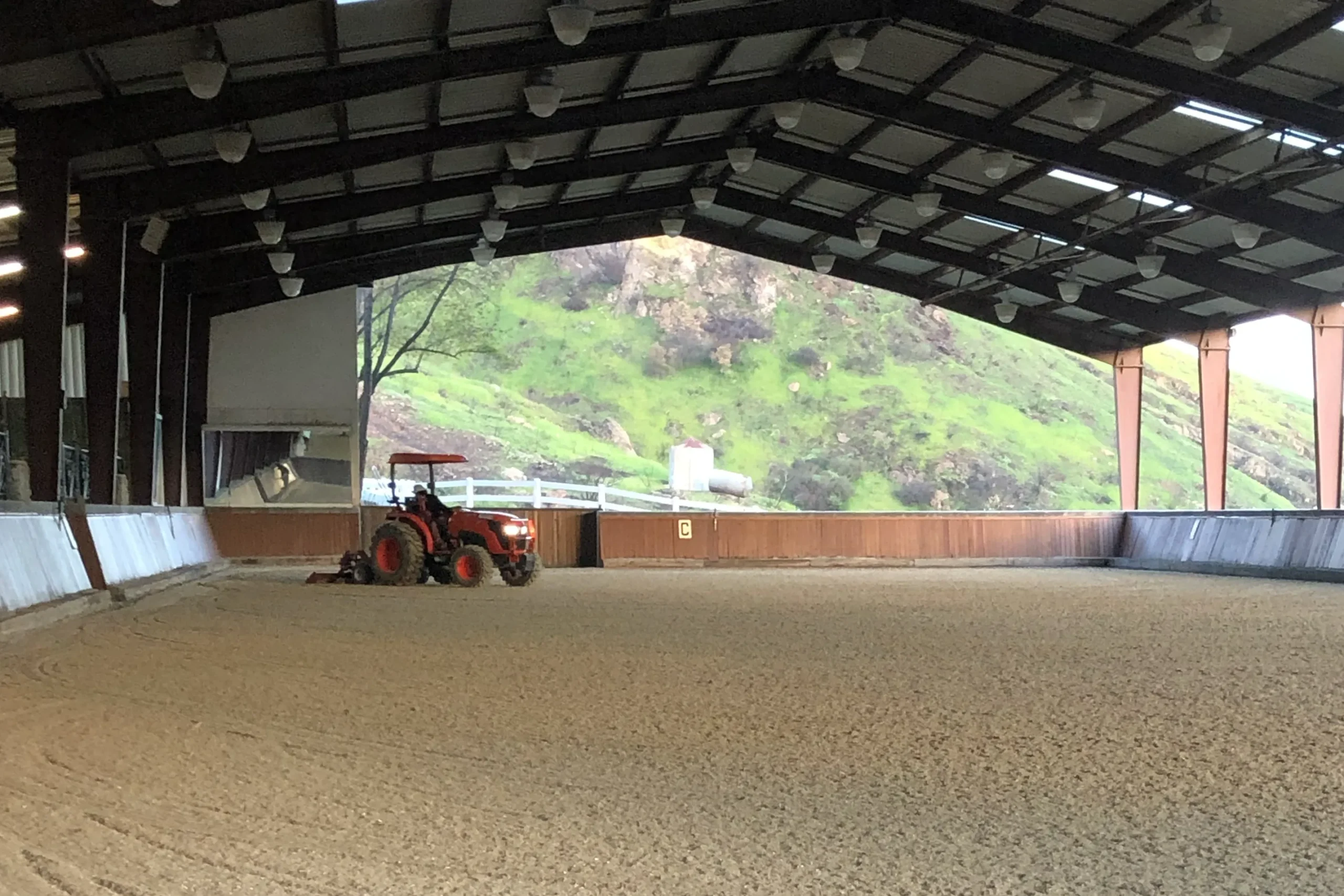
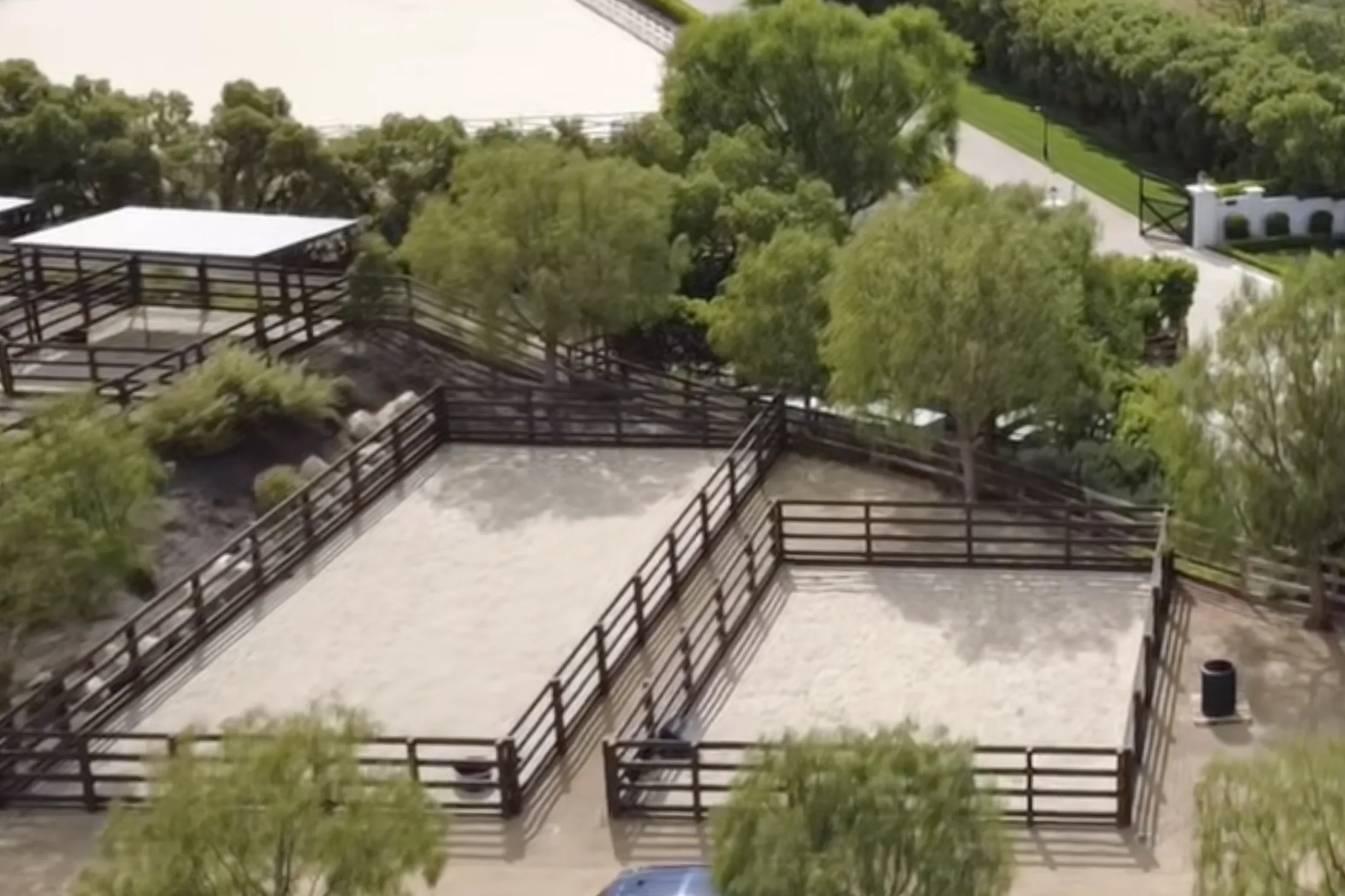
A sample of the arenas we've built and renovated for ranches and competition properties.
Need a service & ready to book? Call us
805 908-6319
Arena Footing Q&A - Answered
How do you know which footing formula is right for my property?
We start with an on-site visit, not a standard package. Our team looks at your soil, local weather patterns, and the disciplines you ride before recommending a sand blend, additive mix, and depth that fits your specific setup.
Is plain sand enough, or should I add fiber or rubber?
It depends on how you use the arena. Straight sand works well for many general-use setups, but blending in fiber or rubber adds stability and cushioning for disciplines with harder stops, tighter turns, or heavier daily traffic.
Why does my arena turn to mud every time it rains?
Usually it comes down to drainage, not the footing itself. If water can't move away from the surface, it pools in the base layer and turns the top material soft and uneven. A properly graded base with the right drainage layout solves this long before it becomes a problem.
Does my riding discipline actually change what footing I need?
Yes, and it's one of the first things we ask about. Jumpers need extra traction to handle landings and quick turns, dressage horses need a surface that lets them pivot smoothly, and western disciplines like reining often call for deeper, looser footing built for sliding stops.
How often should my arena be groomed?
Most working arenas hold up best with grooming several times a week. Dragging redistributes footing, breaks up compacted spots, and keeps the surface from developing ruts or bare patches.
What are the warning signs that my footing needs attention?
Watch for dust clouds while riding, hooves sinking deeper than usual, hard or glassy patches, or uneven dips across the surface. Any of these usually means it's time for grooming, added material, or a drainage check.